07 — Remedial & Restoration
Remedial & Restoration
Concrete repair, lead abatement, render repair, rising damp and heritage work. On older buildings the finish is rarely the problem — spalling concrete, failed render, rising damp and lead paint come first.
managed to EPA Victoria requirements
A remedial scope written as a repaint is a scope that gets re-priced on site. The order of work is diagnostic: establish what is failing and why, remediate the cause, then finish. Painting over spalling concrete or active damp buys a year at most, and the second repair costs more than the first one would have.
Lead is the part that most often goes unexamined. On a building of a certain age it is tested rather than assumed, and where it is present the abatement is planned as its own activity — containment, waste classification, clearance — with the painting sequenced behind it. At the Sir Charles Hotham Hotel that ran to 8,000 m² of lead-bearing paint encapsulated and painted, alongside 2,000 m² of hard plaster removed and replaced.
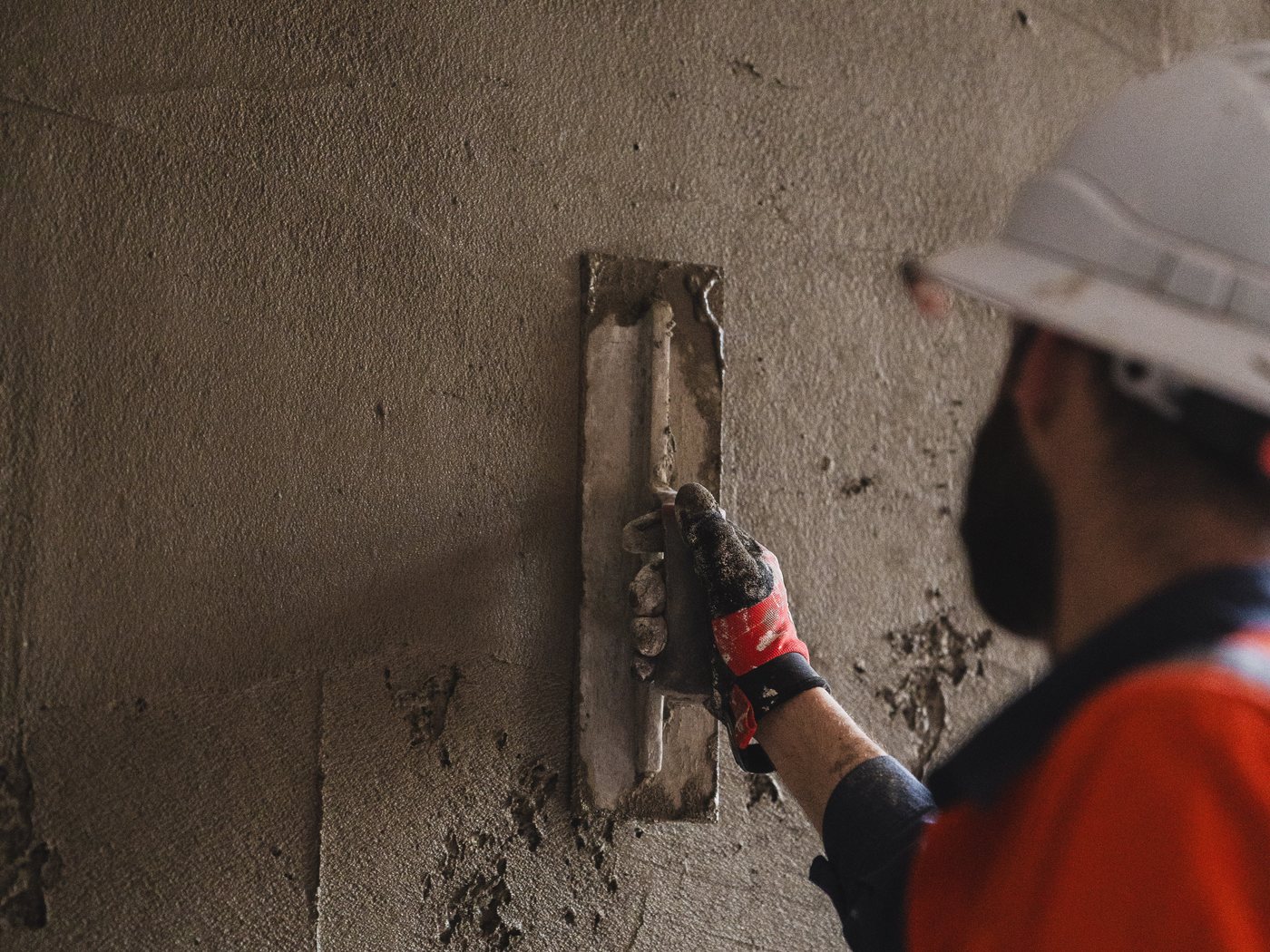
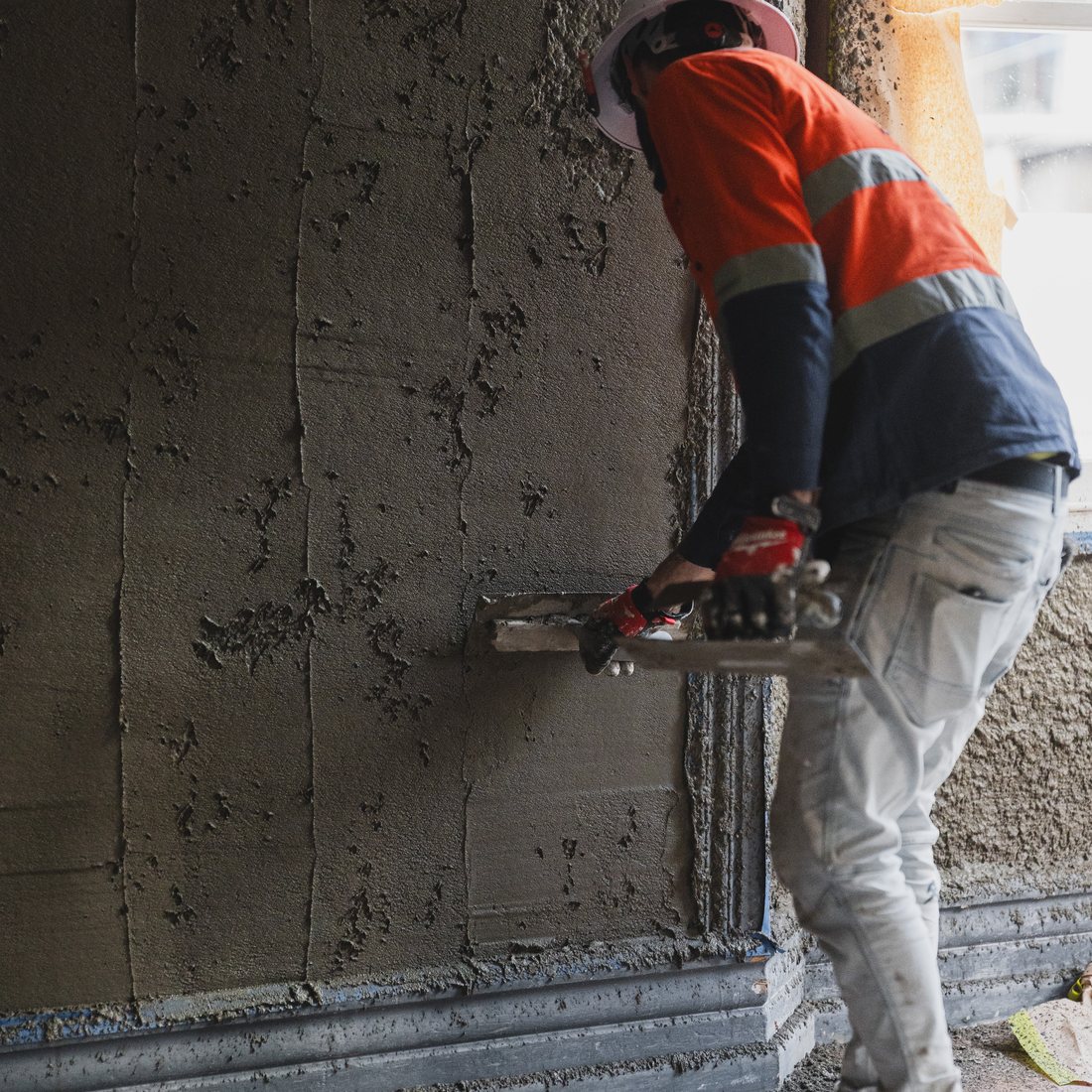
On heritage fabric the constraint is reversibility and compatibility. Lime substrates want lime-compatible materials; a hard cementitious patch on a soft render moves differently and cracks around its own edge. We specify to the substrate we find, not to the product that spreads fastest.
Specification
| Concrete | Spalling and concrete-cancer remediation, reinstatement and protective coating |
| Lead | Testing, abatement and encapsulation, managed to EPA Victoria requirements |
| Render | Solid render and hard-plaster repair, fire-rated render repair |
| Damp | Rising damp and mould treatment, cause before finish |
| Heritage | Lime-compatible repair and heritage repaints, reversible where the fabric requires it |
| Documented | Condition report, staged scope and photographic record through the works |
| Warranty | 10-year workmanship |
Remedial work is priced from a condition report, not from an area rate. Where the cause cannot be established without opening up, we price the investigation separately and say so.
Questions
How do you price remedial work?
From a condition report. An area rate on a remedial job is a guess, because the quantity of defective substrate is unknown until it is opened up. Where that is the case we price the investigation, report on what is there, and then price the works against the finding.
Do you test for lead, or do we have to?
We test. On a building of a certain age it is part of the assessment rather than an extra, and it changes the scope materially — containment, waste handling and clearance are their own activity, sequenced ahead of any painting.
Can you work on a heritage-listed building?
Yes. The approach is compatibility and reversibility — lime-compatible materials on lime substrates, and repairs that can be undone. Where a heritage permit sets conditions we work to them and document the works as we go.
Is rising damp treatable, or does it come back?
It is treatable where the cause is dealt with. A damp-proof course, drainage and ventilation are the treatment; a sealer over the symptom is not, and it will reappear — usually higher up the wall than it started.