Heritage · West Melbourne
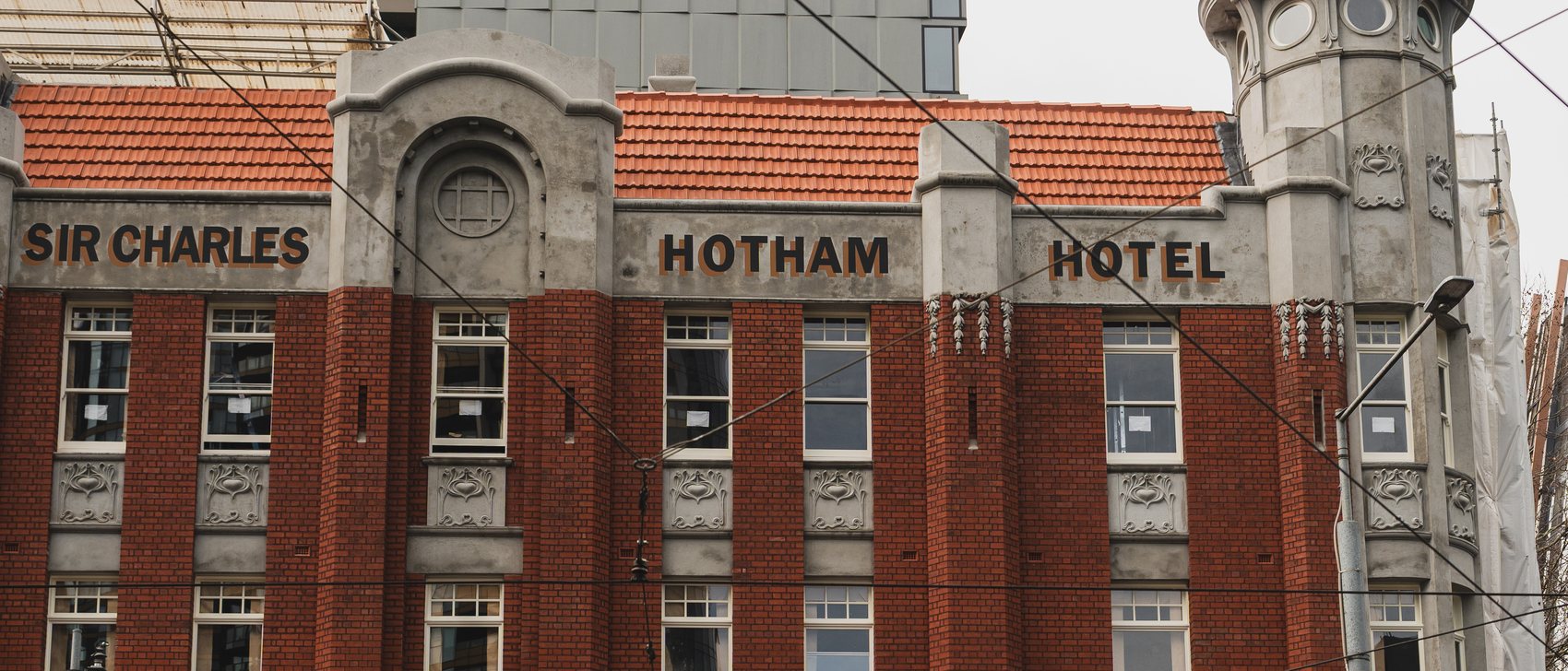
Sir Charles Hotham Hotel
Two thousand square metres of hard plaster taken off and replaced, and eight thousand square metres of lead-bearing paint encapsulated and recoated, in a heritage building on the corner of Spencer and Flinders.
The brief
A century-old masonry hotel being brought back into use. Behind the render and the paint were the two problems that decide the programme on a building of this age: solid plaster that had lost its bond to the brickwork, and lead in almost every coat applied before the 1970s.
Neither is a finishing decision. Both had to be resolved before a single litre of topcoat was worth buying, and both carry their own compliance requirements — which is why they sit with the same contractor rather than being handed between three.
What we did
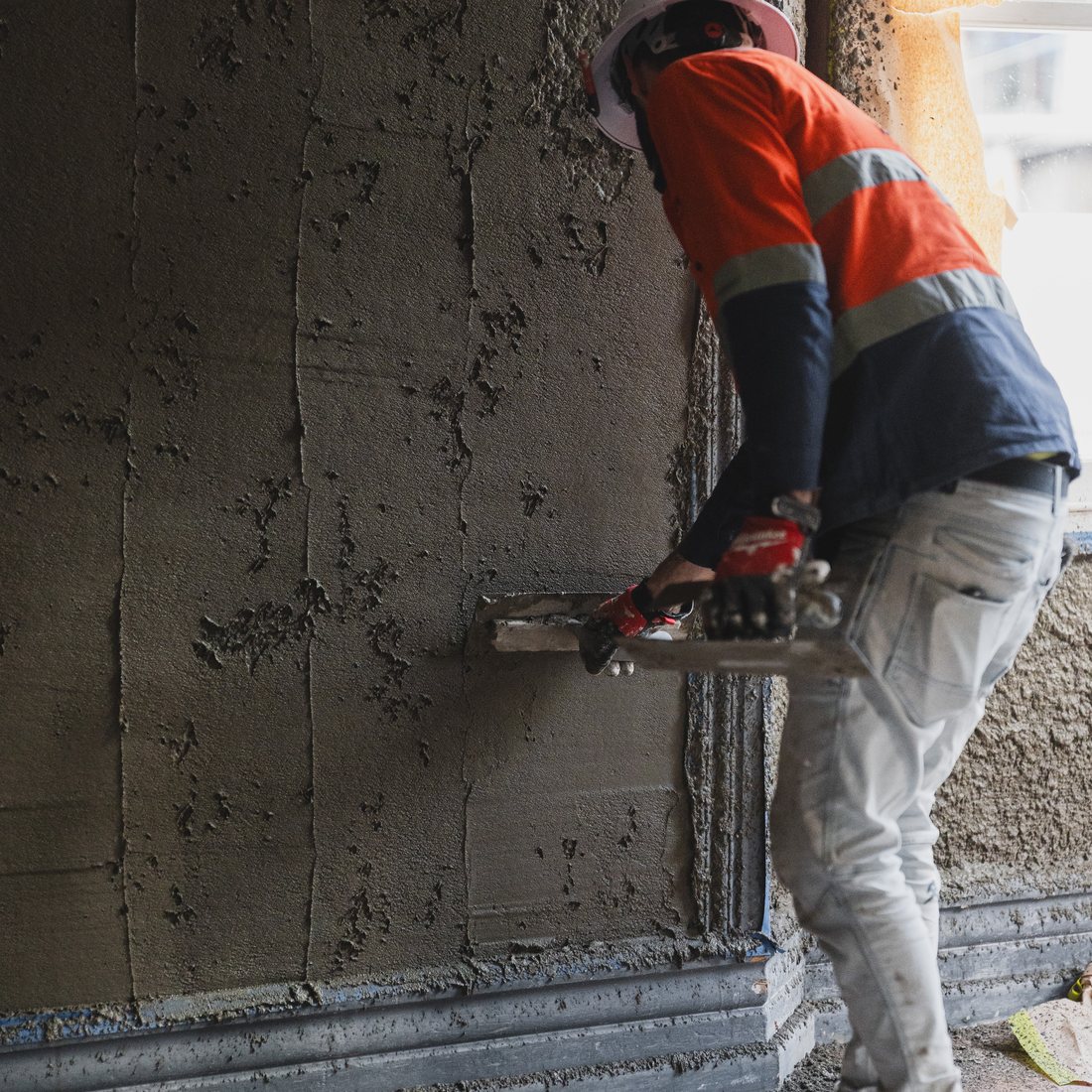
Two thousand square metres of hard plaster came off. Solid plaster fails from the substrate out: it sounds hollow long before it cracks, and a patch bonded to a wall that is already letting go simply moves the failure along. We sounded every wall, marked what was drummy, took it back to sound brick and rebuilt the render in coats — scratch, float and set — matched to the original profile at the reveals, cornices and chimney breasts.
Eight thousand square metres of lead-bearing paint was encapsulated rather than stripped. On a building of this size stripping is the wrong answer: it generates an enormous volume of hazardous waste and puts lead dust into a live street. Encapsulation seals the coating in place under a system built for the job, which is quicker, cleaner and — where the existing paint is still adherent — the outcome the heritage consultant prefers, because nothing is abraded off the detail.
The two scopes were sequenced against each other rather than run in parallel wherever they met: plaster had to be off, rebuilt and dry before the encapsulation system went over it, and the encapsulation could not be opened up again for a late plaster repair without redoing the containment.
Lead is a containment job before it is a painting job.
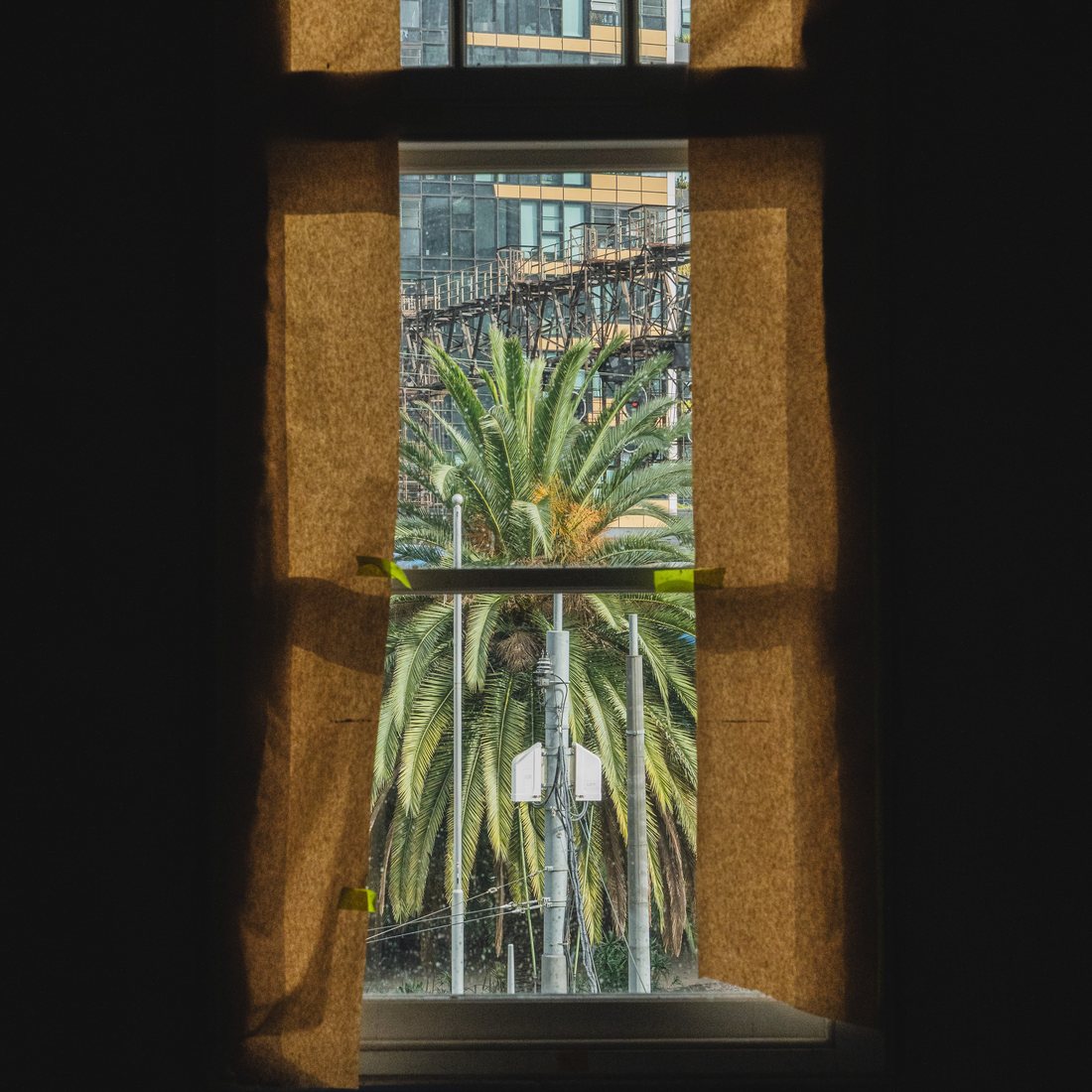
Any pre-1970s building in Melbourne should be assumed to carry lead paint until it is tested, and this one did. The work that decides whether a lead job goes well happens before a scraper touches a wall: assessment of which coats are affected, containment of the area, extraction, no dry abrasion of any kind, controlled removal of waste, and clearance before the containment comes down.
We manage lead-bearing paint in line with AS 4361.2, the Australian guide to lead paint management in buildings. On a job this size that is not a paragraph in a safety plan — it sets the daily sequence, the access, the waste logistics and how much wall can be opened at once.
Coats identified before pricing, so the encapsulation area is a measured quantity rather than a variation waiting to happen.
Work areas sealed and extracted; no dry sanding, no abrasive blasting, no open-air preparation of lead-bearing surfaces.
Where the existing coating is adherent, sealing it in place beats stripping it out — less waste, less exposure, and the heritage detail keeps its profile.
Containment, clearance and waste records issued with the handover, because this is the part of the job an owner may have to evidence later.
Hard plaster
Two thousand square metres, rebuilt to the original profile.
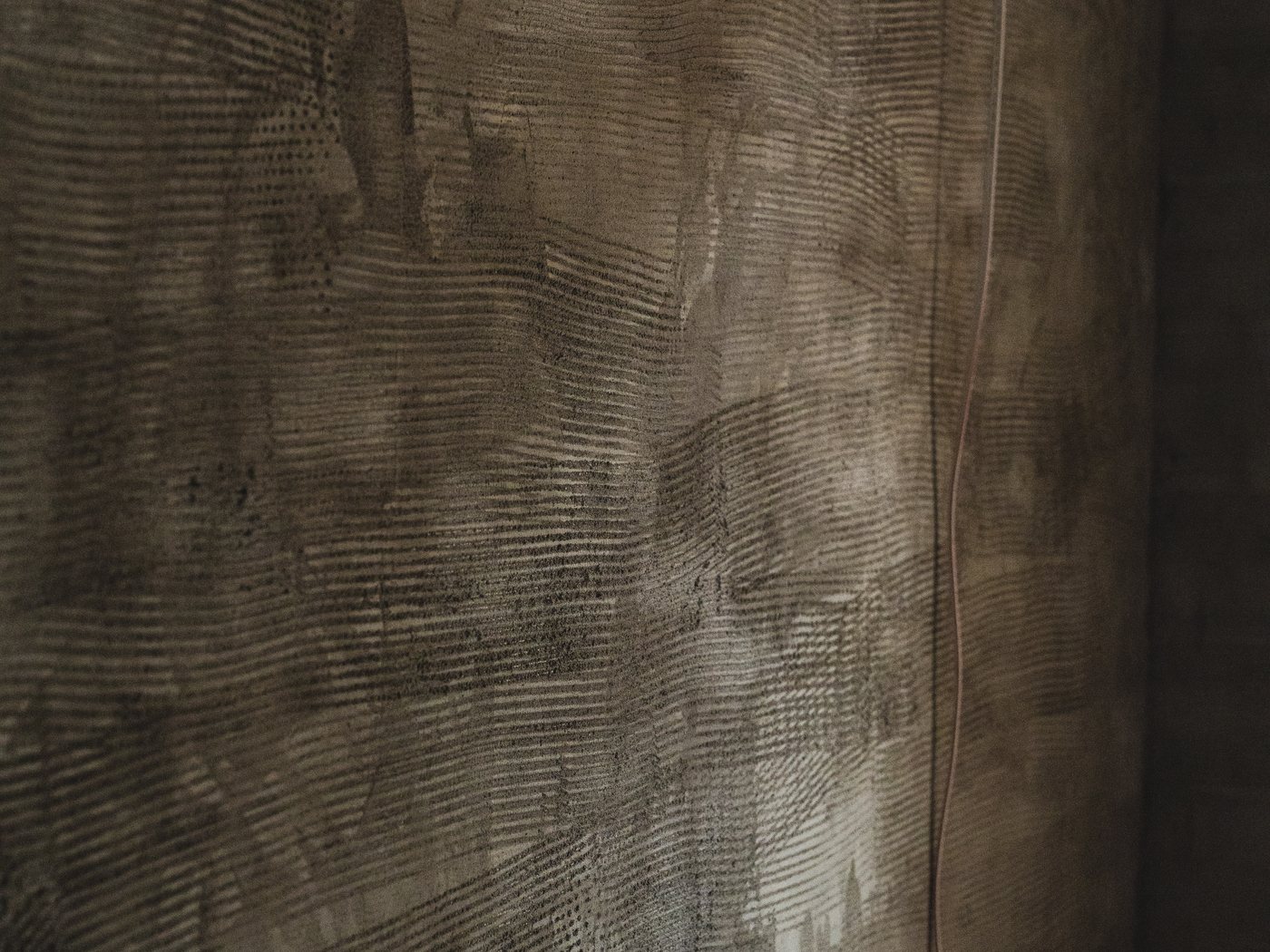
Solid plaster, floated and set in coats over sound brickwork, then taken through to a painted finish. Under raking light the key in the render is the whole job; once it is set and painted, the test of the work is that none of it draws attention to itself.
Systems used
| Area | System | Substrate | Quantity |
|---|---|---|---|
| Walls & soffits, internal | Solid plaster removed; render rebuilt in coats — scratch, float, set | Solid brick masonry | 2,000 m² |
| Previously painted surfaces | Lead-bearing paint encapsulated, then finish coats | Plaster, masonry, joinery, metalwork | 8,000 m² |
| Heritage detail | Cornices, reveals and chimney breasts made good to original profile | Solid plaster | Included |
| Waste | Lead-bearing waste removed as controlled waste | — | Documented |
Product names and film builds available on request; the specification for this project is held.
Related projects
All projects →
140 William Street
Salesforce, 55 Collins Street